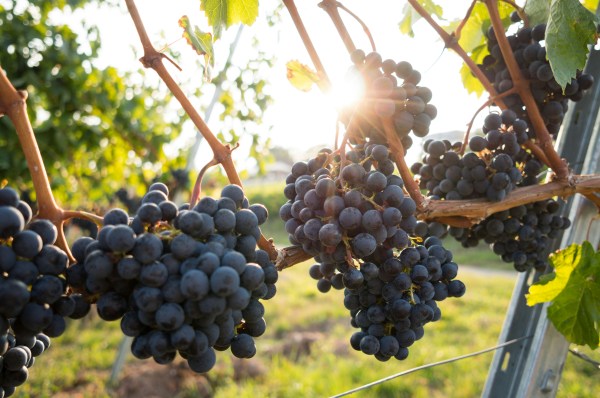
Matthew 13:31-33, 44-52 (9th Sunday after Pentecost) – July 26, 2026

For three weeks, Matthew 13 has invited us to receive God's Word, trust God's patience, and now recognize God's kingdom. These parables reveal God's surprising work in ordinary places while reminding us that discipleship is not about having all the answers, but continually asking, "What does this mean?" and learning to notice Christ's presence.

Matthew 13:24-30, 36-43 (8th Sunday after Pentecost) – July 19, 2026

Matthew's Parable of the Weeds reminds us that God's kingdom grows amid the realities of a broken world. Rather than rushing to judge, the church is called to trust God's patience, proclaim the Gospel, and nurture faith. The harvest belongs to Christ, and its gathering is entrusted to the angels, not to us.

Matthew 13:1-9, 18-23 (7th Sunday after Pentecost) – July 12, 2026

Matthew's Parable of the Sower opens Jesus' parabolic teaching by revealing God's extravagant generosity. Read within the tension of Matthew 11–13, the parable becomes an invitation to repentance, discipleship, and hope. Rather than rationing grace, the wasteful sower keeps scattering the Word because God has not given up on the harvest.

Matthew 11:16-19, 25-30 (6th Sunday after Pentecost) – July 5, 2026

Matthew 11 reveals a generation overwhelmed by competing voices about God and unable to recognize Christ when he comes. Jesus offers rest not as escape but as freedom from self-justification and false discernment. His yoke forms disciples who learn God’s heart in Christ amid every rival claim on our allegiance.

Matthew 10:40-42 (5th Sunday after Pentecost) – June 28, 2026

Matthew concludes Jesus' missionary discourse not with martyrdom or conflict, but with welcome. As the focus shifts from the disciples who are sent to those who receive them, hospitality becomes a place of encounter with Christ. Even a cup of cold water can become participation in God's kingdom.

Matthew 10:24-39 (4th Sunday after Pentecost) – June 21, 2026

Matthew 10:24–39 challenges disciples to wrestle with the disruptive nature of God’s kingdom. Jesus’ difficult words about division, loyalty, and the cross are framed by a repeated promise: “Do not be afraid.” This commentary explores how the kingdom reorders our allegiances while grounding us in God’s care and presence.

Matthew 9:35—10:8 [9-23] (3rd Sunday after Pentecost) – June 14, 2026

This week’s Gospel marks the transition from watching Jesus’ ministry to joining it. Matthew reminds us that before there is a commission, there is compassion. Jesus sees the crowds and sends his disciples to respond. The challenge for the church is learning to see suffering around us with the eyes of Christ.

Matthew 9:9-13, 18-26 (2nd Sunday after Pentecost) – June 7, 2026

Matthew 9 places a leader and a woman suffering for twelve years before Jesus, each with compelling claims on his attention. Rather than ranking their needs, Jesus responds with mercy to both. This commentary explores Matthew’s vision of a kingdom that refuses to measure worth by status, urgency, or deservingness.

Matthew 28:16-20 (Holy Trinity Sunday) – May 31, 2026

Holy Trinity Sunday often pushes the church toward certainty, but Matthew’s Gospel offers something more honest. In the NRSVUE, the disciples worship and doubt simultaneously before being sent into the world. This commentary explores worship, uncertainty, and why the church must continually return to Christ before speaking with authority.

Pentecost (Acts 2:1-21 & John 20:19-23 or John 7:37-39) – May 24, 2026

Pentecost reveals a Spirit that moves toward humanity and creates understanding across difference. In a world exhausted by division, suspicion, and constant conflict, the church is called not to erase differences or demand sameness, but to become a people who listen deeply, trust the Spirit, and seek connection where others expect separation.

Website Powered by WordPress.com.

Up ↑