John 10:1-10 (4th Sunday of Easter/Good Shepherd Sunday) – April 26, 2026

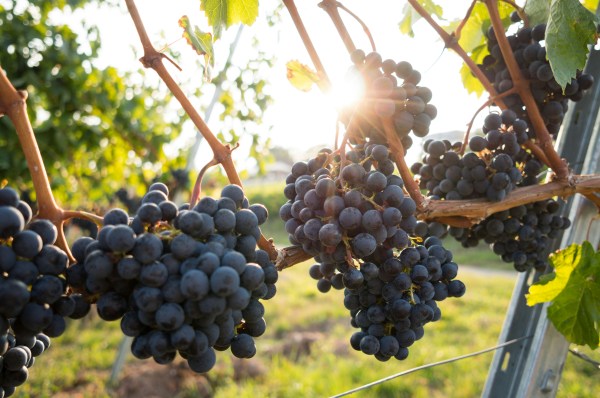
The Fourth Sunday of Easter, or "Good Shepherd Sunday," invites reflection on movement and the dynamics of being led by Christ. It emphasizes that Jesus, as the gate, facilitates passage from confinement to life, contrasting with those who steal life. The season calls for recognition of voices that guide us toward freedom, connection, and abundance.

Luke 24:13-35 (3rd Sunday of Easter) – April 19, 2026

Luke’s Emmaus story shows the risen Christ meeting disciples in confusion, not clarity. As they tell their story, Jesus reframes it—expanding their understanding of suffering, hope, and God’s work. This text invites preachers to help congregations re-narrate their lives and shared stories in light of resurrection, discovering Christ already present among them.

John 20:19-31 (2nd Sunday of Easter) – April 12, 2026

Resurrection does more than celebrate an empty tomb. In John 20, Jesus forms a community shaped by peace and forgiveness. To wounded disciples carrying fear, regret, and failure, Christ breathes the Spirit and sends them out. The church becomes a people learning to forgive others—and themselves—in a wounded world.

Matthew 28:1-10 (Easter Sunday) – April 5, 2026

The Easter narrative in Matthew emphasizes the quiet uncertainty of resurrection, contrasting with celebratory worship. Resurrection is depicted as a transformative event that propels the disciples into action. Rather than serving as a conclusion, it marks the beginning of the church's mission, urging believers to carry Jesus' message into the world.

John 20:1-18 (Easter Vigil) – April 4th, 2026

The Easter Vigil uniquely begins in darkness, emphasizing the resurrection's quiet start in a garden. Mary Magdalene's encounter with the risen Christ reveals layers of meaning, connecting themes of creation and renewal. The gardener's role symbolizes God's ongoing work in cultivating life, hope, and restoration, echoing the story's origins in Eden.

Matthew 21:1-11 (Palm Sunday) – March 29, 2026

Palm Sunday begins with celebration, but Matthew’s story ends with a question: “Who is this?” As Jesus enters Jerusalem like a king—but not the kind people expect—the crowds reveal how easily we shape Jesus around our hopes. This reflection invites preachers to explore the tension between expectation, misunderstanding, and Christ’s true identity.

John 11:1-45 (5th Sunday in Lent) – March 22, 2026

As Lent nears its end, the story of Lazarus in John's Gospel highlights profound themes of grief and divine presence. Jesus, despite knowing the outcome, engages with the sorrow of Mary and Martha, illustrating God's empathetic nature. The narrative emphasizes the church's role in being present with those who mourn, reinforcing the promise of the Holy Spirit's abiding companionship.

John 9:1-41 (4th Sunday in Lent) – March 15, 2026

In John 9, Jesus heals a man blind from birth, depicting a deeper narrative about identity and recognition rather than merely the miracle. The healed man's struggle for acceptance highlights societal perceptions of disability. The story invites reflection on how communities recognize and redefine individuals beyond past labels, emphasizing a divine understanding of identity.

John 4:5-42 (3rd Sunday in Lent) – March 8, 2026

The Gospel of John presents a transformative encounter between Jesus and a Samaritan woman at a well, emphasizing the theme of thirst. Initially, it is Jesus who expresses need, destabilizing traditional power dynamics. This paradox reflects the essence of the incarnation, illustrating that God's love embraces vulnerability and shared humanity, inviting deeper spiritual recognition.

John 3:1-17 (2nd Sunday in Lent) – March 1, 2026

The content emphasizes the shifting perspective within the Gospel of John, focusing on Nicodemus’ journey from certainty to transformation. Through his encounters with Jesus, Nicodemus embodies the struggle of changing one’s mind and understanding faith. The text encourages embracing curiosity and gradual reorientation as essential parts of spiritual growth, especially during Lent.

Website Powered by WordPress.com.

Up ↑