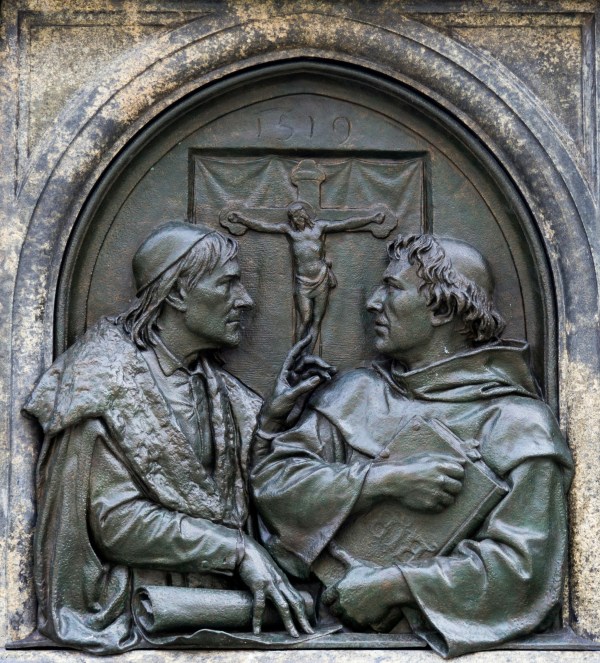
Being justified by grace doesn’t make sin harmless. This Reformation commentary on John 8:31–36 explores how confidence in our religious identity can keep us from recognizing what draws us away from God. Jesus is the light that exposes our sin and the Son who makes us free, restoring our relationship with God and freeing us to love our neighbors.
Matthew 22:34-46 (22nd Sunday after Pentecost/Reformation Sunday) – October 25, 2026
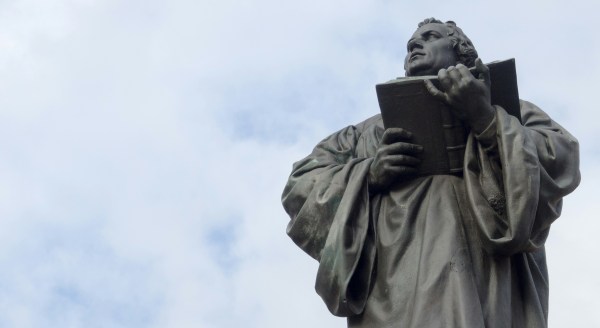
In Matthew 22:34–46, Jesus answers a hostile question by declaring that all the Law and the Prophets hang on love of God and neighbor. Exploring Matthew’s narrative context, Luther’s catechisms, and the language of “hanging,” this commentary follows that love toward the cross. For Reformation Sunday, it challenges how we defend faith while withholding love and points to Christ’s forgiveness that frees us to love again.
Matthew 22:15-22 (21st Sunday after Pentecost) – October 18, 2026
A question about taxes becomes a confrontation with God’s claim on our whole lives. Read within Matthew’s unfolding temple scene, Jesus’ answer reaches beyond what we owe Caesar to what we withhold from God. Bearing God’s image challenges our loyalties, authority, and comfort, while promising that our lives belong to the Christ who gives himself for us.
Matthew 22:1-14 (20th Sunday after Pentecost) – October 11, 2026
What if we’ve been looking for Jesus in the wrong person? Reading Matthew’s wedding banquet alongside the approaching cross invites us to recognize Christ in the guest who is thrown out. This shift challenges our willingness to defend cruelty when it comes from trusted authorities and points us toward the Christ who meets us among those whose suffering we too easily explain away.
Matthew 21:33-46 (19th Sunday after Pentecost) – October 4, 2026
In Matthew 21:33–46, Jesus tells a violent parable about tenants entrusted with God’s vineyard. It is not a story of God rejecting Israel. The vineyard is bearing fruit as people dismissed by its leaders respond to God’s call. Isaiah names justice and righteousness; Matthew adds repentance and mercy. Can those entrusted with God’s people recognize that fruit—and change when they have stood in its way?
Matthew 21:23-32 (18th Sunday after Pentecost) – September 27, 2026
When Jesus’ authority is questioned, his response exposes how protecting our own standing can keep us from responding to God. Matthew’s parable of the two sons challenges the church to examine the distance between our stated convictions and our willingness to act. Where has concern about the consequences kept us silent? By God’s grace, our previous response does not have to be our final one.
Matthew 20:1-16 (17th Sunday after Pentecost) – September 20, 2026
Everyone goes home with a day’s wage. Why isn’t that good news for everyone? Reading Matthew 20:1–16 alongside Peter’s question and Israel’s inherited story, this commentary explores how our understanding of fairness can make another person’s provision feel like our loss. What are we willing to let our neighbors go without so that we can feel special?
Matthew 18:21-35 (16th Sunday after Pentecost) – September 13, 2026
In Matthew 18, Jesus turns Lamech’s seventy-sevenfold vengeance into seventy-sevenfold forgiveness. The forgiven servant, however, remains trapped in a world of debts, using his freedom to build another prison. This parable asks what we will do with the mercy we receive. God’s forgiveness does not merely release us from the past; it gives us agency over what happens next.
Matthew 18:15-20 (15th Sunday after Pentecost) – September 6, 2026
Matthew 18:15–20 emphasizes reconciliation within the Christian community rather than punitive discipline. Jesus teaches humility, the need for mercy, and the importance of regaining those lost. He instructs that conflict resolution should prioritize maintaining relationships, underscoring that all individuals are vulnerable and in need of grace, fostering a sense of unity rather than division.
Matthew 16:21-28 (14th Sunday after Pentecost) – August 30, 2026
Matthew’s “from that time on” suggests Peter’s rebuke is not instant foolishness but a faithful leader’s fearful attempt to protect Jesus. Yet authority can turn care into control. Jesus does not discard Peter; he calls him back behind him, reminding us that Christ—not perfect leaders—builds the church and leads it.